

Abba Antony, one of the great desert fathers of the 3rd century AD, once said to Abba Poemen, ‘I saw the devil’s snares set all over the earth, and I groaned and said, “What can pass through them?” And I heard a voice saying, “Humility”.’
Near the end of His Sermon on the Mount, Jesus issued this stark warning to His listeners: “Beware of the false prophets, who come to you in sheep’s clothing, but inwardly are ravenous wolves” (Matthew 7:15). So many Christians today take this warning as something to gird us against teachings of false doctrine. But I think Jesus is thinking more about Christian prophets who have no, or very little, humility. Their desires are ravenous because they only think about their self-desires. Much of what they desire does not align with the kingdom of God or the life, words, and actions of Jesus. They desire power, control, and/or the protection of their self-identity.
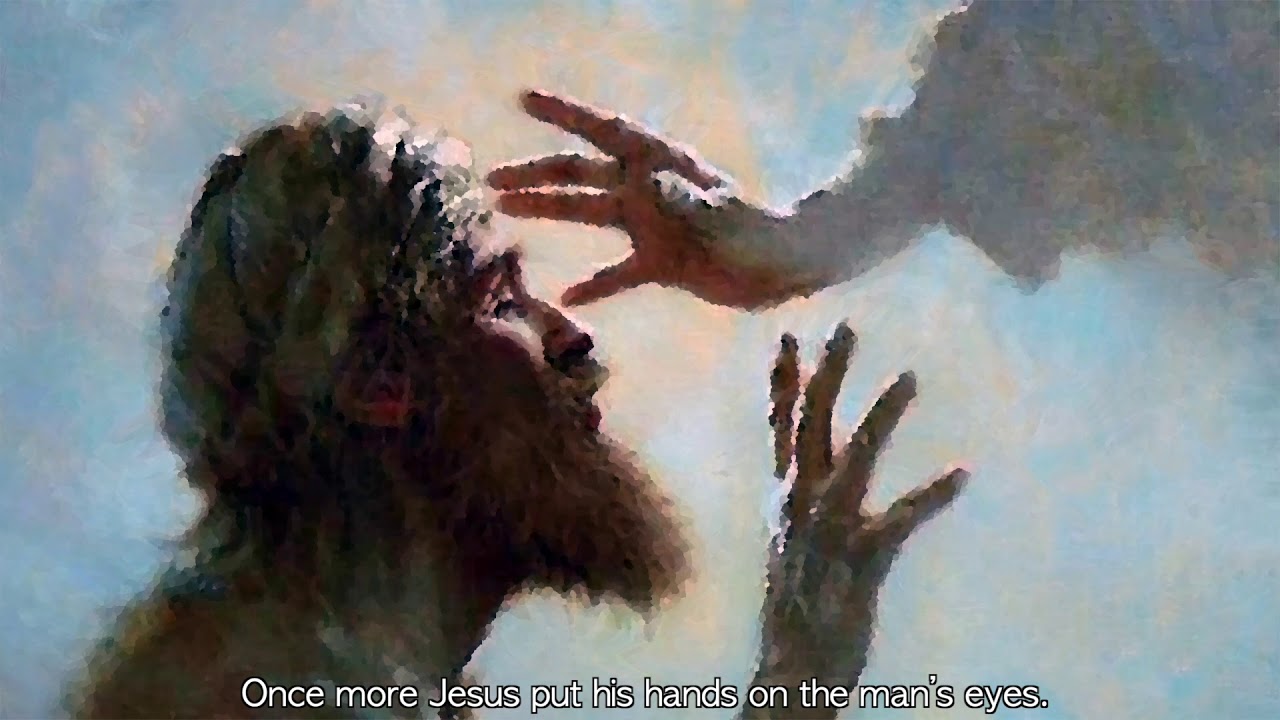
Jesus spoke in layers of speech and with parables. Why are there always deeper levels to his actions and words, so that one deed or teaching suggests something else altogether? Why does he speak and act in sign and mystery? (Read the Gospel of John)
I believe at least one reason Jesus speaks and acts this way is because wrestling with these sayings and actions, struggling with their meaning, and integrating their meaning into our lives, is one of the major ways we grow up in our discipleship. It is one of the ways we grow a deep spirituality in Christ.
If the meaning was given to us, plain and simple, we would not need to grapple with the stories and signs, with the meanings and applications, and with how to live out the difficult call of the gospel. But as it is, the meanings are not plain and clear. We are forced to struggle with the questions they raise, and we are given few clear-cut answers. But wrestling with them is part of our growing up in Christ, part of becoming mature Christ-followers.
So we bring them into our prayer . . . we listen to them with different parts of our being (mind, body, heart, soul, spirit) . . . we struggle to live into them with our lives rather than simply hear them with our ears. We catch a little glimpse of the meaning here and get a taste of it there. We slowly, over time, begin to apprehend more and more of what these signs mean for us and for our world.
And no matter how much we have understood, there is always more. We never get to the end. We never, on this side of heaven, have perfect understanding, so that we could say that our interpretation or understanding is the only one. I truly believe that wrestling with the obscure aspects of Jesus – his mysterious words and actions – is a very significant part of discipleship. There are no shortcuts, no easy answers clergy or spiritual mentors can give us. We must do this difficult work of wrestling and grappling with these signs for ourselves. It is essential for our growth as disciples of Jesus.
Over the past 10 year serving as pastor of Chapelwood United Methodist Church in Houston, Texas, I learned one recurring lesson – “love is the way of the Christian life, and humility is the key that unlocks it.” Through denominational fights, pandemic, natural disasters, political divisions, culture wars, relationships struggles, and the daily issues of life, family, and friendships…love is the only answer.
And as we aspire to love as Jesus loves, we must seek humility. As another desert father, St. John of the Thebaid, ‘Above all a monk [disciple] must be humble. For this is the Savior’s first commandment, “Blessed are the poor in spirit, for theirs is the kingdom of heaven” (Matthew 5:3).’
**I plan to begin posting again through my blog www.embodygrace.org. If you would like to Subscribe to receive weekly thoughts and reflections related to Christian discipleship in our current world and culture. I hope it will challenge us to grow deeper in our spirituality and our relationship with Jesus.



 EMBODY GRACE